Let's dive right into the world of architectural film and talk about one of its key features: the light transmission rate. As an architectural film supplier, I've seen firsthand how important this factor is for both residential and commercial building owners.
Understanding Light Transmission Rate
First off, what exactly is the light transmission rate? Simply put, it's the percentage of visible light that passes through a material. In the case of architectural film, it tells you how much natural light will make its way through your windows after the film is installed. This is a crucial aspect because it directly impacts the lighting conditions inside a building.
A high light transmission rate means more natural light can enter the space. This is great for creating a bright and inviting environment. You won't have to rely as much on artificial lighting during the day, which can save on energy costs. On the other hand, a low light transmission rate blocks more light, providing privacy and reducing glare. It's like having a built - in shade for your windows.
Different Types of Architectural Films and Their Light Transmission
We offer a variety of architectural films, each with its own unique light transmission characteristics.
Mirror Shield Series Building Window Film
The Mirror Shield Series Building Window Film - Mirror Effect Privacy Protection Solar Control Film is a popular choice for those looking for both privacy and solar control. This film has a relatively low light transmission rate. The mirror effect not only blocks a significant amount of sunlight but also makes it difficult for people outside to see inside during the day. However, it still allows enough light in to keep the interior from feeling too dark. It's perfect for offices or homes where privacy is a top priority, especially in areas with a lot of street traffic.
Architecture Color Window Film
Our Architecture Color Window Film comes in a range of colors, and the light transmission rate can vary depending on the color you choose. Lighter colors generally have a higher light transmission rate, allowing more light to filter through. They can add a touch of style to your building while still providing some degree of solar protection. Darker colors, on the other hand, have a lower light transmission rate. They're great for creating a more dramatic look and for reducing heat gain in sunny climates.
Clarityview Series Building Window Film
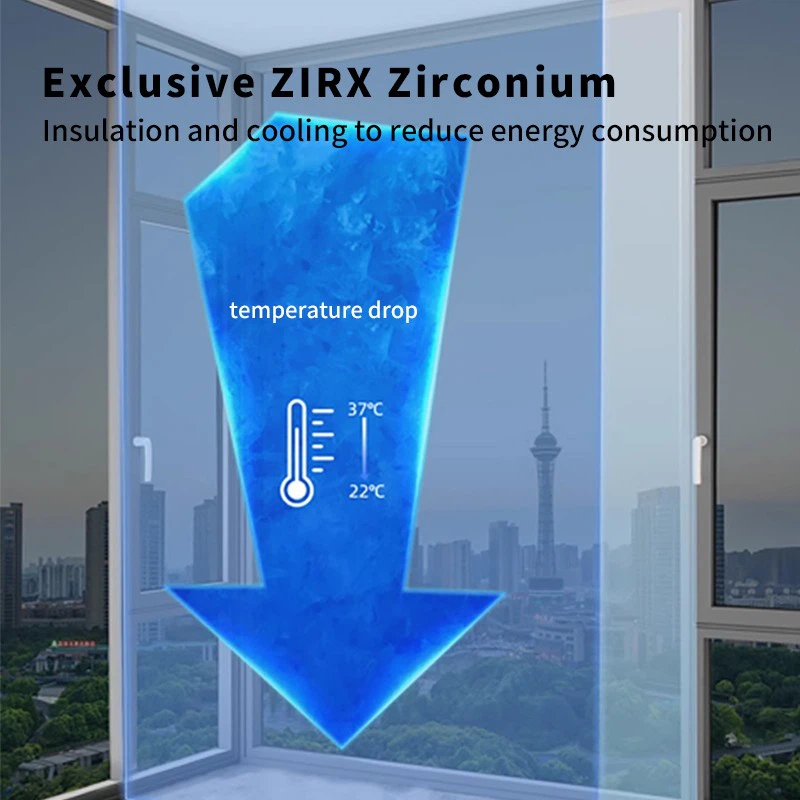
If you're all about maximizing natural light while still getting some benefits like heat insulation and UV protection, the Clarityview Series Building Window Film - High Transparency Heat Insulation UV Protection is the way to go. This series has a high light transmission rate, which means it lets in a large amount of visible light. You can enjoy unobstructed views of the outside world while keeping harmful UV rays at bay and reducing heat transfer. It's ideal for spaces where a bright and clear view is essential, such as storefronts or museum windows.

Factors Affecting Light Transmission Rate
There are several factors that can affect the light transmission rate of architectural film.
Film Thickness: Generally, thicker films tend to have a lower light transmission rate. This is because there is more material for the light to pass through, and some of it gets absorbed or reflected along the way. Thinner films, on the other hand, allow more light to pass through more easily.
Coatings and Layers: The coatings and layers on the film can also impact light transmission. For example, films with anti - glare or reflective coatings may have a lower light transmission rate. These coatings are designed to block certain wavelengths of light, which can reduce the overall amount of light that makes it through the film.
Installation Quality: Believe it or not, how the film is installed can affect its light transmission. If the film has bubbles, wrinkles, or uneven edges, it can scatter the light and reduce the effective light transmission rate. That's why it's important to have your architectural film installed by professionals.
Choosing the Right Light Transmission Rate for Your Needs
When choosing an architectural film, you need to consider your specific needs. If you're in an office building and want to reduce glare on computer screens without sacrificing too much natural light, a film with a medium light transmission rate might be the best option. For a home theater or a bedroom, a film with a low light transmission rate can provide the privacy and light control you need.
If you're running a business with a storefront, a high - light - transmission film can make your products more visible from the outside and create an inviting atmosphere for customers. It's all about finding the right balance between light, privacy, and energy efficiency.
Let's Discuss Your Project
We understand that every building is unique, and so are its requirements. Whether you're a homeowner looking to upgrade your windows or a commercial property manager in charge of a large complex, we're here to help you find the perfect architectural film with the right light transmission rate for your needs.
Don't hesitate to reach out to us for a consultation. We're happy to answer any questions you might have and provide you with samples so you can see the difference for yourself. Let's work together to create a more comfortable and energy - efficient space with our high - quality architectural films.
References
- Building Envelope Technology Handbook
- Window Film Manufacturer's Guidelines