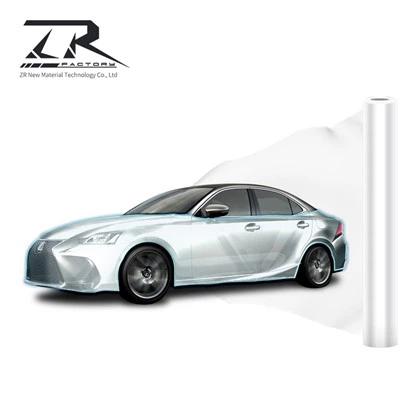
Car tinting has become a popular choice among vehicle owners for various reasons, including enhancing privacy, reducing glare, and protecting the interior from UV rays. As a car tint supplier, I've seen firsthand the growing demand for this product. However, it's important to be aware that car tinting also comes with some side effects. In this blog post, I'll explore these side effects in detail to help you make an informed decision when considering car tint for your vehicle.
Reduced Visibility
One of the most significant side effects of car tint is reduced visibility, especially at night or in low - light conditions. Darker tints can make it difficult to see clearly through the windows, which can be a major safety concern. When driving at night, you rely on your ability to see other vehicles, pedestrians, and road signs clearly. Tinted windows can obscure your view, increasing the risk of accidents.


For example, if you're trying to merge onto a highway at night and your tinted windows limit your visibility of oncoming traffic, you might not be able to accurately judge the speed and distance of other cars. This could lead to a dangerous situation. Additionally, in adverse weather conditions such as heavy rain, snow, or fog, the reduced visibility caused by tint can be even more pronounced.
It's important to choose a tint with an appropriate level of darkness. In many regions, there are laws regulating the maximum allowable tint darkness for different windows of a vehicle. By adhering to these laws, you can help ensure that your visibility is not overly compromised. You can find a wide range of car tints that comply with these regulations on our website Car Window Tint.
Legal Issues
As mentioned earlier, there are strict laws regarding car tinting in many areas. These laws vary from state to state and country to country, and they typically specify the maximum allowable Visible Light Transmission (VLT) percentage for different windows of a vehicle. VLT refers to the amount of visible light that can pass through the tinted window.
If your car tint violates these laws, you could face legal consequences. This may include fines, having to remove the tint, or even getting points on your driving record. Law enforcement officers can easily detect illegal tint using specialized equipment. Moreover, if you're involved in an accident and your tint is found to be illegal, it could potentially affect your insurance claim.
Before getting your car tinted, it's crucial to research the local laws in your area. Our team at the car tint supply is well - informed about these regulations and can assist you in choosing a tint that meets the legal requirements. We want to ensure that you can enjoy the benefits of car tint without running into any legal troubles.
Heat Build - Up
While car tint is often used to reduce heat inside the vehicle, in some cases, it can actually contribute to heat build - up. This is especially true for lower - quality tints that are not designed to effectively block infrared radiation. When sunlight hits the tinted window, the heat can be trapped inside the car, causing the interior temperature to rise.
This heat build - up can not only make the driving experience uncomfortable but also put additional strain on your vehicle's air conditioning system. Over time, this can lead to increased wear and tear on the AC unit, potentially resulting in costly repairs.
To avoid this issue, it's important to choose a high - quality car tint. Our Commercial Building Ceramic Window Film - Glare Reduction Heat Insulation Long - Lasting Warranty Warranty is designed to effectively block infrared radiation, helping to keep the interior of your vehicle cool. These ceramic tints are made with advanced technology that allows them to reflect a significant amount of heat, rather than absorbing it.
Reduced Resale Value
Another potential side effect of car tint is a reduction in the resale value of your vehicle. Some potential buyers may be hesitant to purchase a car with tinted windows, especially if the tint is very dark or of poor quality. They may be concerned about the legal issues associated with the tint or the potential for reduced visibility.
In addition, if the tint has been installed poorly or has started to peel or bubble over time, it can make the car look unappealing. This can further decrease its resale value. To maintain the resale value of your vehicle, it's important to choose a high - quality tint and have it installed by a professional. Our high - quality tints are designed to last and are installed by experienced technicians, helping to ensure that your vehicle retains its value.
Damage to Windows
Improper installation of car tint can cause damage to your vehicle's windows. If the tint is not applied correctly, air bubbles can form between the tint and the window. These air bubbles can not only look unsightly but also cause the tint to peel over time. Additionally, if the installer uses sharp tools incorrectly during the installation process, they can scratch the window.
In some cases, the adhesive used in the tint can also leave a residue on the window if it's removed. This residue can be difficult to clean and may require professional cleaning services. To avoid these issues, it's essential to have your car tint installed by a trained and experienced professional. Our team has years of experience in installing car tints and uses the latest techniques to ensure a smooth and bubble - free installation.
Impact on Electronic Devices
Some types of car tint can interfere with electronic devices in your vehicle. This is particularly true for metallic tints, which can block radio signals, GPS signals, and even Bluetooth connections. If you rely on your car's radio for entertainment or your GPS for navigation, this interference can be a major inconvenience.
For example, if you're on a long road trip and your GPS signal is constantly dropping out due to the tint, it can make it difficult to find your way. To avoid this problem, you can choose a non - metallic tint. Our High Transparency Window Film - Clear Heat Insulation Film For Home Office Light Transmission is a non - metallic option that provides excellent heat insulation without interfering with electronic signals.
Conclusion
Car tinting offers many benefits, such as privacy, glare reduction, and UV protection. However, it's important to be aware of the potential side effects. By understanding these side effects and taking the necessary precautions, you can make an informed decision about whether car tint is right for you.
As a car tint supplier, we are committed to providing high - quality products and professional installation services. We can help you choose the right tint for your vehicle based on your needs and local regulations. If you have any questions or would like to discuss your car tinting options, please don't hesitate to contact us. We look forward to working with you to enhance your driving experience.
References
- "Automotive Window Tinting Regulations." National Highway Traffic Safety Administration.
- "The Effects of Window Tinting on Vehicle Safety." Journal of Transportation Safety and Security.
- "Heat Transfer and Energy Efficiency of Tinted Vehicle Windows." International Journal of Thermal Sciences.