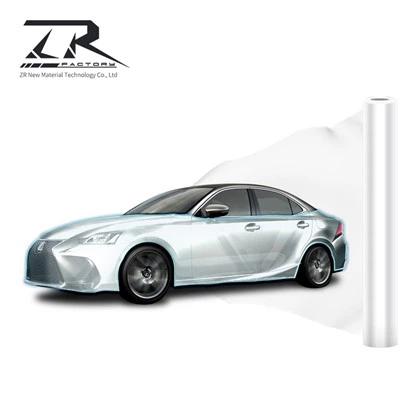
Coastal areas are known for their beautiful scenery and unique climate, but the salt air in these regions can pose significant challenges to vehicles. As a supplier of Self - healing Car Film, I've received numerous inquiries about how our product performs in such harsh environments. In this blog, I'll delve into the science behind self - healing car film and its performance in coastal areas with salt air.
Understanding Self - healing Car Film
Self - healing car film, also known as Self Healing Protective Film for Cars, is a remarkable innovation in automotive protection. It is typically made from a thermoplastic urethane (TPU) material, which has inherent self - healing properties. When the film is scratched, the heat from sunlight or the friction generated during normal driving can cause the molecules in the film to realign, effectively "healing" the scratches and restoring the film's smooth surface.
This technology offers several benefits for car owners. First and foremost, it protects the car's paint job from scratches, chips, and other minor damages. Whether it's from gravel on the road, branches in the parking lot, or accidental bumps, the self - healing car film acts as a sacrificial layer, absorbing the impact and keeping the original paint intact. Additionally, it can enhance the car's appearance by providing a glossy finish and protecting the paint from fading due to UV rays.
The Impact of Salt Air in Coastal Areas
Salt air in coastal areas contains a high concentration of salt particles, which can be extremely corrosive to a vehicle's exterior. When salt particles come into contact with the car's paint, they can cause oxidation and rusting over time. The salt can also attract moisture, creating a humid environment that further accelerates the corrosion process.
Moreover, the constant exposure to salt air can make the car more prone to scratches. The salt particles can act as abrasives, wearing down the paint and any protective coatings on the surface. This is where self - healing car film can play a crucial role in protecting the vehicle.
Performance of Self - healing Car Film in Salt Air
One of the key advantages of self - healing car film is its resistance to corrosion. The TPU material used in the film is inherently resistant to chemicals, including salt. This means that the film can effectively protect the car's paint from the corrosive effects of salt air. Even when exposed to salt - laden air for extended periods, the film maintains its integrity and continues to provide a barrier between the paint and the environment.
In terms of self - healing performance, the salt air does not significantly affect the film's ability to repair scratches. The heat - activated self - healing mechanism of the film still works as intended, allowing the film to recover from minor scratches and keep the car looking its best. However, it's important to note that in extremely harsh conditions, such as long - term exposure to high - concentration salt spray, the film may experience some degradation over time. But compared to the car's paint without any protection, the self - healing car film still offers a much higher level of durability.
Another aspect to consider is the film's adhesion in salt air. A good quality self - healing car film should have strong adhesion to the car's surface, even in the presence of salt. Our Auto Paint Protector Film is designed with a special adhesive layer that ensures long - term adhesion, preventing the film from peeling or lifting in salt - rich environments.
Maintenance of Self - healing Car Film in Coastal Areas
While self - healing car film offers excellent protection in salt air, proper maintenance is still essential to ensure its long - term performance. Here are some tips for maintaining the film in coastal areas:


- Regular Washing: Wash the car regularly to remove salt particles from the film's surface. Use a mild car shampoo and a soft sponge or microfiber cloth to avoid scratching the film.
- Rinse Thoroughly: After washing, make sure to rinse the car thoroughly to remove all traces of salt and soap. Residual salt can still cause damage to the film over time.
- Avoid Harsh Chemicals: Do not use harsh chemicals or abrasive cleaners on the film, as they can damage the self - healing properties and the integrity of the film.
- Inspect the Film: Periodically inspect the film for any signs of damage, such as scratches, peeling, or discoloration. If you notice any issues, contact a professional installer or the manufacturer for advice on repair or replacement.
Case Studies and User Experiences
We've received feedback from many customers in coastal areas who have installed our self - healing car film. One customer from a coastal town reported that after several months of exposure to salt air, the film on his car still looked as good as new. He was particularly impressed with the film's ability to heal minor scratches and protect the paint from corrosion.
Another customer, a frequent beach - goer, said that the self - healing car film saved his car's paint from the constant exposure to salt spray and sand. He noticed that his car's paint remained scratch - free and shiny, even after multiple trips to the beach.
Conclusion
In conclusion, self - healing car film performs exceptionally well in coastal areas with salt air. Its resistance to corrosion, self - healing properties, and strong adhesion make it an ideal solution for protecting vehicles from the harsh effects of salt - laden environments. By providing a durable and effective barrier between the car's paint and the elements, the self - healing car film can extend the lifespan of the paint and keep the vehicle looking its best.
If you're a car owner in a coastal area or frequently drive in salt - rich environments, I highly recommend considering Anti - scratch Car Film for your vehicle. Our self - healing car film is designed to meet the highest standards of quality and performance, providing you with peace of mind and long - term protection.
If you're interested in learning more about our self - healing car film or would like to discuss a potential purchase, please feel free to reach out. We're always happy to answer your questions and provide you with the best solutions for your automotive protection needs.
References
- "Automotive Paint Protection Films: A Review" - Journal of Automotive Engineering
- "The Effects of Salt Air on Vehicle Exteriors" - Automotive Research Institute
- "Self - Healing Polymers for Automotive Applications" - Polymer Science Journal