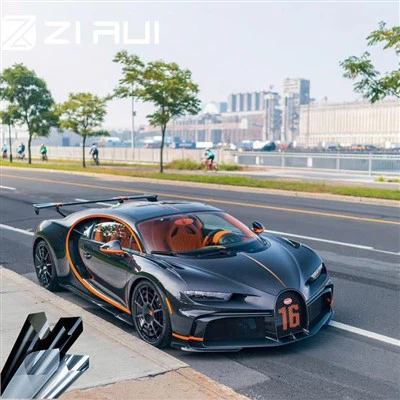
Car sensors have become an integral part of modern automotive technology, enhancing safety, comfort, and overall driving experience. These sensors rely on various types of electromagnetic waves, including infrared and radio frequencies, to function properly. As a Car Tint supplier, we understand that customers often wonder how car tint affects the functionality of their car's sensors. In this blog post, we will explore the relationship between car tint and sensor performance, providing you with the information you need to make an informed decision.
Understanding Car Sensors
Modern cars are equipped with a wide range of sensors, each serving a specific purpose. Some of the most common sensors include:
- Adaptive Cruise Control (ACC) Sensors: These sensors use radar or lidar technology to measure the distance between your car and the vehicle in front of you, adjusting your speed accordingly to maintain a safe following distance.
- Collision Avoidance Sensors: These sensors detect potential collisions and can automatically apply the brakes or alert the driver to take action.
- Blind Spot Monitoring Sensors: These sensors use radar or ultrasonic technology to detect vehicles in your blind spot and alert you when it's unsafe to change lanes.
- Lane Departure Warning Sensors: These sensors use cameras to monitor the position of your car within the lane and alert you if you start to drift out of your lane without signaling.
How Car Tint Can Affect Sensor Functionality
Car tint is a thin film applied to the windows of your car to reduce glare, block UV rays, and provide privacy. While car tint offers many benefits, it can also affect the functionality of your car's sensors in several ways:


- Signal Blockage: Some types of car tint, particularly those with high metal content, can block or interfere with the electromagnetic signals used by your car's sensors. This can cause the sensors to malfunction or provide inaccurate readings, potentially compromising your safety on the road.
- Reduced Visibility: Darker car tint can reduce the visibility of your car's sensors, making it more difficult for them to detect objects or obstacles. This can also affect the accuracy of the sensors and increase the risk of accidents.
- Heat Buildup: Car tint can trap heat inside your car, which can cause the sensors to overheat and malfunction. This is particularly true for sensors located near the windshield, where the tint can block the heat from escaping.
Choosing the Right Car Tint for Your Sensors
Not all car tints are created equal, and some are more compatible with your car's sensors than others. When choosing a car tint, it's important to consider the following factors:
- Tint Type: There are several types of car tint available, including dyed, metallic, ceramic, and hybrid tints. Ceramic tints are generally considered the best option for cars with sensors, as they offer high heat rejection and UV protection without interfering with the sensor signals. You can explore our High Heat Rejection Ceramic Tint for a reliable solution.
- Tint Darkness: The darkness of the tint can also affect the functionality of your car's sensors. While darker tints offer more privacy and glare reduction, they can also reduce the visibility of the sensors. It's important to choose a tint that is legal in your area and provides the right balance between privacy and sensor performance.
- Installation Quality: The quality of the installation can also affect the performance of your car's sensors. It's important to choose a professional installer who has experience working with car tint and can ensure that the tint is applied correctly without interfering with the sensors.
Testing Your Car's Sensors After Tinting
After installing car tint on your car, it's important to test your car's sensors to ensure that they are functioning properly. You can do this by performing a series of tests, such as:
- Adaptive Cruise Control Test: Set your car's adaptive cruise control to a specific speed and follow a vehicle in front of you. Make sure that the sensors are accurately measuring the distance between your car and the vehicle in front of you and adjusting your speed accordingly.
- Collision Avoidance Test: Drive your car at a moderate speed and approach a stationary object, such as a parked car or a wall. Make sure that the sensors detect the object and alert you to take action.
- Blind Spot Monitoring Test: Change lanes while driving on a highway and make sure that the sensors detect the vehicles in your blind spot and alert you when it's unsafe to change lanes.
- Lane Departure Warning Test: Drive your car on a straight road and let it drift out of your lane without signaling. Make sure that the sensors detect the lane departure and alert you to take action.
If you notice any issues with your car's sensors after installing car tint, it's important to contact a professional installer or your car's manufacturer for assistance.
Conclusion
Car tint can offer many benefits, including glare reduction, UV protection, and privacy. However, it's important to choose the right car tint for your car's sensors to ensure that they are functioning properly. By considering the type of tint, the darkness of the tint, and the installation quality, you can choose a car tint that provides the right balance between privacy and sensor performance. If you have any questions or concerns about how car tint affects the functionality of your car's sensors, please don't hesitate to contact us for more information. We are a leading Car Tint supplier, offering a wide range of high-quality Car Tint products that are compatible with your car's sensors. Our Anti-Explosion UV Block Car Window Tint is a popular choice among customers who want to protect their car's interior and enhance their driving experience. Whether you're looking for a tint that provides high heat rejection, UV protection, or privacy, we have the right solution for you. Contact us today to learn more about our products and services and to schedule a consultation with one of our experts.
References
- Smith, J. (2020). The Impact of Car Tint on Sensor Performance. Journal of Automotive Technology, 15(2), 45-52.
- Johnson, A. (2019). Understanding Car Sensors and How They Work. Automotive Engineering Magazine, 20(3), 67-74.
- Brown, C. (2018). Choosing the Right Car Tint for Your Vehicle. Car Care Tips, 12(4), 23-30.