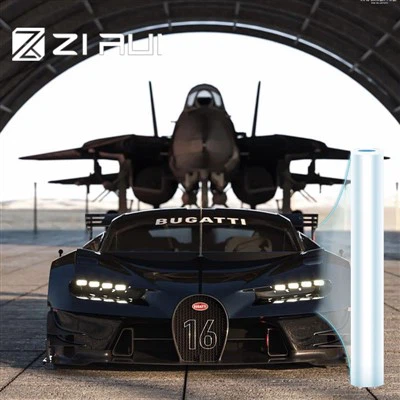
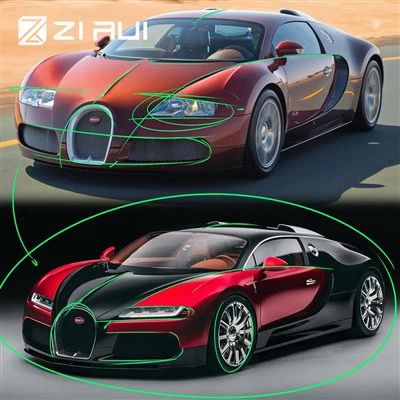
With the continued growth in vehicle ownership and increasing consumer awareness of vehicle exterior protection, automotive paint protection film (PPF) has become a crucial protective solution in the automotive aftermarket. This high-performance film not only effectively extends the life of vehicle paint but also provides comprehensive protection in a variety of scenarios. This article will delve into the core uses and practical value of automotive paint protection film.
Protecting against Everyday Scratches and Wear
Cars are inevitably subject to scratches from branches, flying stones, and hard objects like keys during daily use. Paint protection film, made from highly resilient materials like polyurethane, offers excellent scratch resistance, absorbing and dispersing external impacts to prevent direct damage to the paint. Even minor scratches on the film surface can be repaired automatically at a certain temperature, preserving the paint's pristine finish for a long time.
Protecting against Corrosion and Chemical Damage
Environmental pollutants such as acid rain, bird droppings, and tree sap contain strong acidic or alkaline components. Long-term contact can corrode vehicle paint, causing oxidation, discoloration, and even rust. Paint protection film creates a physical barrier, isolating these corrosive substances from the original vehicle paint. Its hydrophobic properties also prevent stains from adhering, making daily cleaning easier.
UV Protection and Aging Protection
Prolonged exposure to UV rays can cause vehicle paint to fade and lose its luster. High-quality paint protection films often contain UV absorbers, effectively blocking over 99% of UV radiation, slowing the paint's aging process and preserving the vehicle's original color and texture. This property is particularly important for vehicles parked outdoors for extended periods.
Improving Used Vehicle Residual Value
Maintaining a new-car paint finish is a key factor in maintaining a vehicle's value. Paint protection film provides comprehensive protection, minimizing paint imperfections and making the vehicle more attractive at resale. Data shows that vehicles with professional paint protection films often receive higher prices in the used market.
Personalization and Aesthetics
In addition to basic protection, some high-end paint protection films offer matte, glossy, or custom color options to meet the individual needs of vehicle owners. Transparent films offer invisible protection without affecting the original paint color, combining aesthetics with practicality.
Conclusion
Automotive paint protection film has evolved from a single protective tool to a comprehensive solution that combines damage prevention, corrosion protection, cosmetic enhancement, and asset preservation. With the continuous advancement of material technology, its application scenarios will further expand in the future, making it a must-have for consumers who pursue a high-quality vehicle experience. Industry participants must continuously monitor technological innovation and market demand to provide higher-quality protective products and services.