What is the environmental impact of window tint?
Hey there! I'm a supplier of window tints, and I often get asked about the environmental impact of these products. It's a hot - button topic these days, and rightfully so. We all want to make choices that are good for the planet while still getting the benefits we need. So, let's dive into what window tinting means for the environment.
Energy Efficiency and Reduced Carbon Footprint
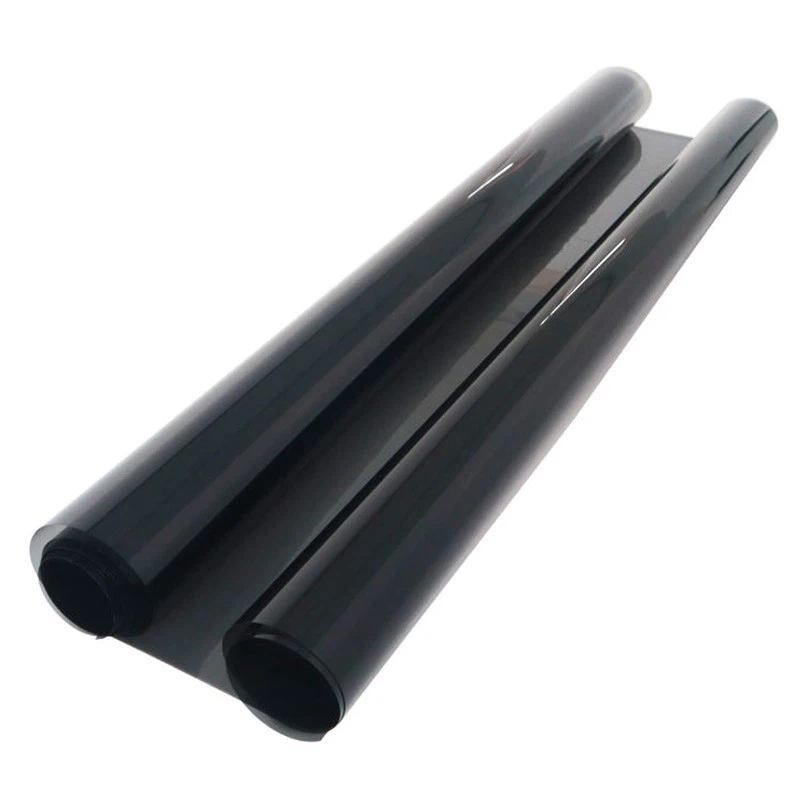
One of the biggest perks of window tint is its ability to boost energy efficiency. When you install Car Window Tint in your vehicle or on the windows of your home or office, it can block a significant amount of solar heat. This is a game - changer, especially in hot climates.
In a car, less heat means your air - conditioning system doesn't have to work as hard. A/C units guzzle gas and increase emissions. By reducing the demand on the A/C, window tint can help lower fuel consumption. That's a direct reduction in greenhouse gas emissions. For every gallon of gas saved, we're putting less carbon dioxide into the atmosphere.
The same principle applies to buildings. Tinted windows can keep the interior cooler during the summer, reducing the need for air - conditioning. This not only cuts down on electricity usage but also helps in reducing the load on the power grid. Power plants that rely on fossil fuels generate a huge amount of carbon emissions. By using less electricity, we're indirectly helping to fight climate change.
Protection of Interior Furnishings and Reduced Waste
Sunlight isn't just about heat; it also contains ultraviolet (UV) rays. These rays are the enemy of your car's upholstery, dashboards, and a building's interior furnishings. Over time, UV rays can cause fading, cracking, and deterioration.
When you use Car Tint, it blocks a high percentage of UV rays. This means your car's interior will stay looking good for longer. The same goes for the furniture and decor in your home or office. When things last longer, we don't have to replace them as often. And that's a win for the environment because less frequent replacement means less waste going to landfills.
The Manufacturing Process
Now, let's talk about the other side of the coin: the manufacturing of window tint. Like any product, there are environmental impacts during the production phase.
The materials used in window tints vary. Some traditional tints are made with dyes and metals. The extraction and processing of these materials can be resource - intensive and may generate pollution. However, there have been significant advancements in the industry.
Ceramic Tint is a great example. Ceramic tints are made with advanced ceramic particles. The manufacturing process of ceramic tints is often more environmentally friendly. These particles are non - metallic, which means there's less need for heavy metal extraction. Also, ceramic tints are known for their high performance, which in the long run can offset the environmental impact of their production through the energy savings and reduced waste they provide.
Disposal and Recycling
When it comes to the end - of - life of window tints, proper disposal is crucial. Some window tints can be difficult to recycle because of the different layers and materials they're made of. However, as technology improves, there's a growing focus on making window tints more recyclable.
Many suppliers, including those in our industry, are starting to explore ways to take back old window tints and recycle them. This not only reduces the amount of waste in landfills but also helps in conserving resources by reusing materials.

Balancing the Benefits
It's clear that window tints have both positive and negative environmental impacts. On one hand, they offer energy savings, protection against UV damage, and can potentially reduce waste. On the other hand, the manufacturing and disposal processes still have room for improvement.
Overall, the environmental benefits of window tint seem to outweigh the negatives, especially when you consider the long - term savings and reduced resource consumption. As consumers, we can make a difference by choosing more environmentally friendly options like ceramic tints.
How You Can Do Your Part
If you're concerned about the environment, here are a few things you can do when buying window tints. First, ask your supplier about the tint's energy - saving ratings and UV - blocking capabilities. A high - quality tint with good performance will maximize the environmental benefits.
Second, inquire about the manufacturing process and the materials used. Choose products that are made with sustainable practices and materials, like ceramic tints.
Finally, when it's time to replace the tint, work with your supplier to ensure proper disposal or recycling.
Get in Touch
If you're interested in learning more about our window tints and how they can benefit your vehicle or building while being kind to the environment, feel free to reach out. We're here to answer all your questions and discuss the best options for your specific needs. Let's work together to make a more sustainable choice!
References
- Energy Information Administration. "Fuel Efficiency and Emissions Reduction."
- Environmental Protection Agency. "Building Energy Efficiency and UV Protection."
- Window Film Manufacturers Association. "Advancements in Window Tint Technology."