Hey there, car enthusiasts and window tint lovers! As a supplier of automotive window tint film, I get asked a ton about the differences between dyed and metalized window tint films. So, I thought I'd break it down for you in this blog post.
What are Dyed and Metalized Window Tint Films?
Let's start with the basics. Dyed window tint film is made by adding layers of dye to a polyester film. This dye helps to absorb sunlight and reduce the amount of heat and glare that enters your car. It's a popular choice because it's relatively inexpensive and can give your car a sleek, dark look.
On the other hand, metalized window tint film has a thin layer of metal, like aluminum or silver, embedded in the film. This metal layer reflects sunlight and heat, rather than absorbing it like dyed tint. This makes metalized tint more effective at blocking heat and UV rays, but it can also be more expensive.
Appearance
The first thing you'll notice when comparing dyed and metalized tint is the appearance. Dyed tint gives your car a smooth, uniform look. It comes in a range of shades, from light to dark, so you can choose the level of privacy and style you want. However, over time, dyed tint can fade, especially if it's exposed to a lot of sunlight.

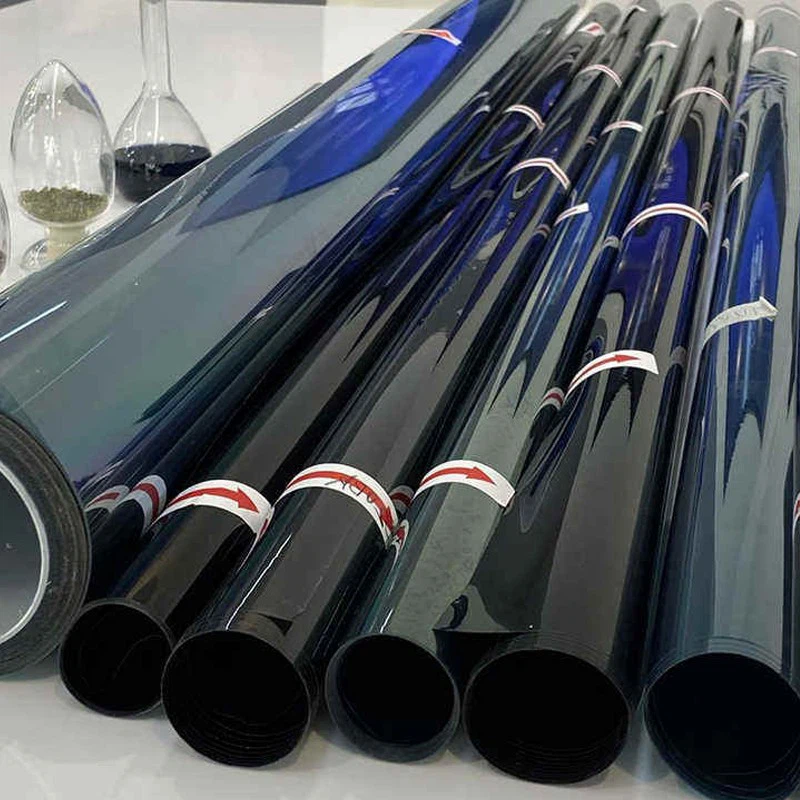
Metalized tint, on the other hand, has a bit of a shiny or reflective appearance. This can give your car a high - tech, modern look, but some people might not like the reflective quality. The good news is that metalized tint is more resistant to fading than dyed tint, so it'll keep its appearance for longer.
Heat Rejection
One of the most important factors when choosing window tint is how well it can block heat. Dyed tint does a decent job of absorbing heat, but it's not as effective as metalized tint. The metal layer in metalized tint reflects a significant amount of the sun's infrared rays, which are the ones that cause heat.
If you live in a hot climate or spend a lot of time in your car during the day, metalized tint might be the better option for you. It can keep your car cooler, which not only makes your ride more comfortable but also reduces the strain on your car's air conditioning system.
Glare Reduction
Both dyed and metalized tint can reduce glare, but they do it in different ways. Dyed tint absorbs the light, which can help to reduce the harsh glare that can make it difficult to see while driving. Metalized tint, with its reflective properties, can bounce the light away from the car, providing even more effective glare reduction.
If you often drive in bright sunlight or near bodies of water where glare is a big problem, metalized tint might give you the best results. But if you're on a budget and still want some glare reduction, dyed tint is a good choice.
Radio and GPS Interference
Here's something to consider: metalized tint can sometimes interfere with radio and GPS signals. The metal layer in the tint acts as a shield, which can block or weaken these signals. This is usually not a big issue in most cars, but if you rely heavily on your GPS for navigation or have a high - end audio system, you might want to think twice before choosing metalized tint.
Dyed tint, on the other hand, doesn't have this problem. Since it doesn't contain any metal, it won't interfere with your car's electronic systems.
Durability
When it comes to durability, metalized tint has the upper hand. The metal layer makes it more resistant to scratches, fading, and peeling. Dyed tint, while it can last for a few years, is more prone to damage, especially if it's not installed properly or if it's exposed to harsh conditions.
If you want a tint that will last a long time and keep looking good, metalized tint is the way to go. But if you're not too worried about long - term durability and just want a temporary solution, dyed tint might be sufficient.
Cost
Cost is always a factor when making a purchase. Dyed tint is generally more affordable than metalized tint. This makes it a popular choice for people on a budget or those who just want to try out window tinting without spending a lot of money.
Metalized tint, with its advanced technology and better performance, comes with a higher price tag. However, when you consider its long - term benefits, such as better heat rejection and durability, it might be worth the extra cost.
Our Products
At [our unnamed company], we offer a wide range of automotive window tint films, including both dyed and metalized options. If you're interested in our Commercial Building Ceramic Window Film - Glare Reduction Heat Insulation Long - Lasting Warranty Warranty, it's a great choice for both cars and commercial buildings. It offers excellent glare reduction and heat insulation, with a long - lasting warranty.
We also have Ceramic Tint, which combines the best of both worlds. It has the heat - rejecting properties of metalized tint without the signal interference, and it has a sleek appearance like dyed tint. And of course, our Car Tint options give you the flexibility to choose the type and shade that suits your needs.
Conclusion
So, there you have it! The main differences between dyed and metalized automotive window tint films. Each has its own pros and cons, and the right choice for you depends on your budget, your climate, and your personal preferences.
If you're still not sure which type of tint is best for your car, don't hesitate to reach out to us. We're here to help you make an informed decision and get the perfect window tint for your vehicle. Whether you're looking for a budget - friendly option or the best performance, we've got you covered. Contact us today to start the conversation about your automotive window tint needs.
References
- "Automotive Window Tinting: A Comprehensive Guide" - Various industry publications
- "The Science of Window Tint Films" - Research papers on materials science and automotive technology