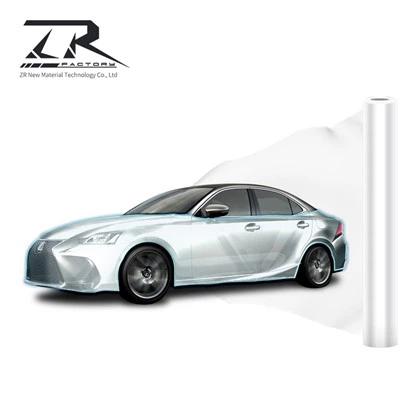
As a car paint protection film supplier, I've seen firsthand the amazing benefits these films can bring to vehicles. They offer great protection against scratches, chips, and environmental damage, keeping cars looking brand - new for longer. But like anything in life, car paint protection films aren't all sunshine and rainbows. There are some disadvantages that potential customers should be aware of.
1. High Initial Cost
One of the most obvious drawbacks of car paint protection film is the cost. Installing a high - quality paint protection film can be pretty pricey. You're not just paying for the material itself, which is usually made from advanced polymers and has to be durable enough to withstand all kinds of abuse. You're also paying for the labor. Applying the film requires a high level of skill and precision. A professional installer needs to cut the film to fit each part of the car perfectly, and any mistakes can lead to bubbles, wrinkles, or an uneven appearance.
For example, a full - body installation of a top - tier paint protection film can cost anywhere from a few thousand dollars. That's a significant investment, especially when you consider that there are other cheaper ways to protect your car's paint, like waxing or using a simple car cover. If you're on a tight budget, this upfront cost might be a deal - breaker.
2. Difficult Installation Process
The installation of car paint protection film is no walk in the park. It's a time - consuming and complex process that demands a lot of expertise. As I mentioned earlier, the film has to be cut precisely to fit the contours of the car. Even the slightest miscalculation can result in a less - than - perfect finish.


Moreover, the surface of the car needs to be immaculately clean before the film is applied. Any dust, dirt, or debris can get trapped between the film and the paint, creating visible imperfections. And once the film is applied, it has to be smoothed out carefully to remove any air bubbles. This requires patience and a steady hand. If you're not an experienced installer, attempting a DIY installation is likely to end in frustration and a subpar result.
3. Potential for Yellowing Over Time
Another disadvantage is that car paint protection films can yellow over time. This is especially true for lower - quality films or those that are exposed to a lot of sunlight. UV rays can break down the polymers in the film, causing it to change color. Yellowing not only looks bad but can also detract from the overall appearance of the car.
Even high - quality films aren't completely immune to yellowing. Although they're designed to resist UV damage better, they can still start to show signs of discoloration after several years. And once the film starts to yellow, it can be difficult to reverse the process. You might end up having to replace the entire film, which means more expense and hassle.
4. Removal Can Be Messy and Damage Paint
When it's time to remove the car paint protection film, things can get a bit messy. Over time, the adhesive on the film can bond tightly to the car's paint. Removing the film without damaging the paint can be a real challenge.
In some cases, the adhesive can leave behind a sticky residue on the paint. Cleaning this residue off can be a painstaking process that might require the use of special solvents. And if the film is removed too aggressively, it can actually peel off some of the car's paint along with it. This is a major concern, especially for older cars or those with a delicate paint job.
5. Limited Protection Against Severe Damage
While car paint protection films offer good protection against minor scratches and chips, they have their limits. They might not be able to withstand more severe impacts, like a major collision or a large object hitting the car at high speed.
For example, if a car is involved in a fender - bender, the paint protection film might not prevent significant damage to the body of the car. It's designed more for everyday wear and tear, like stone chips from the road or scratches from keys. So, if you're looking for comprehensive protection against all types of damage, a paint protection film might not be enough on its own.
6. Maintenance Requirements
Car paint protection films also come with their own set of maintenance requirements. They need to be cleaned regularly to keep them looking their best. Using the wrong cleaning products can damage the film. You have to be careful to use only products that are specifically designed for paint protection films.
Also, over time, the film can develop small scratches or scuffs. While these might not affect the film's protective properties, they can make the car look less appealing. In some cases, you might need to have the film professionally polished to remove these minor imperfections. This adds to the overall cost and time spent on maintaining the car.
Considerations for Different Types of Films
When it comes to car paint protection films, there are different types available, each with its own set of pros and cons. For example, Car Window Solar Film Tint not only protects the car's interior from UV rays but also provides some level of privacy. However, it can also reduce visibility at night, especially if the tint is too dark.
Headlight Film is great for protecting the headlights from scratches and yellowing. But it can also reduce the brightness of the headlights if not installed correctly. And Clear Film Auto Paint Protection offers a nearly invisible layer of protection but still has all the potential disadvantages I've mentioned above.
Despite these disadvantages, car paint protection films still have a lot to offer. They can significantly extend the life of your car's paint and keep it looking great. If you're willing to invest in a high - quality film and have it installed by a professional, you can minimize many of these drawbacks.
If you're considering purchasing car paint protection film and want to learn more about how to mitigate these disadvantages or which type of film is right for you, I'd love to have a chat. Feel free to reach out to me for a detailed discussion. We can talk about your specific needs and budget, and I'll do my best to find the perfect solution for your car.
References
- "Automotive Paint Protection Films: Technology and Market Trends" by industry research reports.
- Personal experience as a car paint protection film supplier.