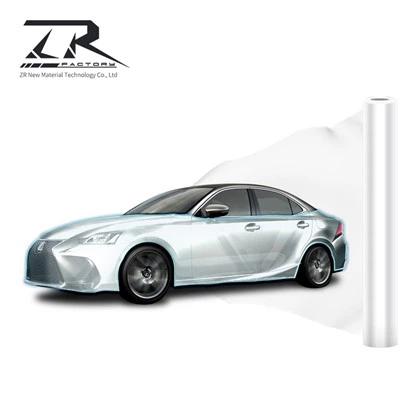
Hey there! As a supplier of solar film window tint, I know firsthand that choosing the right one for your vehicle or property can feel like a real head - scratcher. There are so many options out there, and it's easy to get overwhelmed. But don't worry! I'm here to break it all down for you and help you make an informed decision.
Understanding Solar Film Window Tint
First things first, let's talk about what solar film window tint actually is. It's a thin, multi - layer polyester film that you can apply to your windows. This film can do a whole bunch of cool things. It can block harmful UV rays, reduce heat from the sun, increase privacy, and even add a bit of style to your place.


Factors to Consider When Choosing Solar Film Window Tint
1. UV Protection
UV rays are not your friend. They can fade your car's interior or the furniture in your home over time. When you're looking for solar film, check the UV rejection rate. A good quality film should block at least 99% of UV rays. This not only protects your belongings but also helps prevent skin damage if you're in the car or building for long periods.
2. Heat Rejection
One of the main reasons people go for solar film is to keep their spaces cool. The heat rejection rate tells you how much of the sun's infrared heat the film can block. Higher heat rejection means less heat inside, which is especially great during those hot summer months. Look for films with a high heat rejection percentage to really feel the difference.
3. Visibility
You don't want a film that makes it hard to see out of your windows. Consider the visible light transmission (VLT) percentage. A higher VLT means more light can pass through the film, giving you better visibility. However, if privacy is your main goal, you might opt for a lower VLT. Just make sure it still meets local regulations, especially for car windows.
4. Durability
No one wants to buy a film that's going to start peeling or bubbling after a short time. Look for films that are scratch - resistant and have a long lifespan. Some high - end films come with warranties that can give you peace of mind about their durability.
5. Aesthetics
Let's face it, looks matter. Solar film comes in a variety of shades and colors. You can choose a film that matches the style of your vehicle or the architecture of your building. Whether you want a sleek, dark look or a more subtle tint, there's an option out there for you.
Types of Solar Film Window Tint
Dyed Film
Dyed film is one of the most affordable options. It works by absorbing the sun's heat and UV rays using dyes within the film. However, it might not be as effective at heat rejection as some other types, and it can fade over time.
Metalized Film
These films have a thin layer of metal in them. They are great at reflecting heat and UV rays, and they're generally more durable than dyed films. But one downside is that they can interfere with electronic signals like GPS and radio.
Ceramic Film
Ceramic film is the top - of - the - line option. It uses ceramic particles to block heat and UV rays without the interference issues of metalized films. It offers excellent heat rejection, high visibility, and good durability. Of course, it also comes with a higher price tag.
Where to Use Solar Film Window Tint
Cars
Applying solar film to your car windows has several benefits. It keeps the interior cool, reduces glare while driving, and provides privacy. You can check out our Car Window Tint Film for a wide range of options suitable for different car models.
Homes and Commercial Buildings
In buildings, solar film can help cut down on energy costs by reducing the need for air - conditioning. It also protects your furniture and decor from sun damage. You can choose a tint that suits the style of the building, whether it's a modern office or a traditional home.
The Importance of Professional Installation
It might be tempting to try installing the film yourself, but professional installation is usually the way to go. A professional installer has the skills and tools to ensure a smooth, bubble - free application. This is especially important because a poorly installed film can reduce its effectiveness and lifespan.
Which Type of Car Film is Best for Your Car?
If you're thinking about car protection in general, besides window tint, we also offer some great options. For example, our PPF Car Protection Film is designed to protect your car's paint from scratches, chips, and other damages. And if you want a film with a unique feature, check out our Self - healing Car Film. It can repair minor scratches on its own, which is super cool!
Making the Decision
Now that you know all the factors to consider, it's time to make a decision. Think about your budget, your priorities (whether it's heat rejection, privacy, or style), and where you'll be using the film. If you're still not sure, feel free to reach out to us. We've got a team of experts who can help you choose the perfect solar film window tint for your needs.
Let's Talk Business
If you're interested in purchasing our solar film window tint or any of our other car protection products, we'd love to hear from you. We're here to answer your questions, provide more information, and discuss potential partnerships. Whether you're an individual looking to tint your car windows or a business in need of bulk orders for commercial buildings, we've got you covered.
References
- "Window Film: A Guide to Selection and Installation"
- "Automotive Window Tint: Benefits and Considerations"