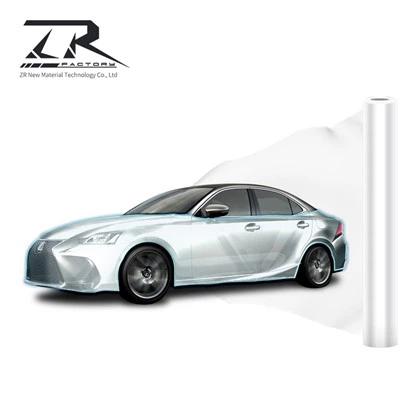
When it comes to protecting your car's paint, two popular options often come to mind: auto paint protector film and waxing. As a supplier of Auto Paint Protector Film, I've seen firsthand the benefits and drawbacks of each method. In this blog post, I'll compare auto paint protector film to waxing, exploring their differences in terms of protection, durability, application, and cost.
Protection
One of the primary reasons car owners seek paint protection is to shield their vehicles from various hazards, such as scratches, stone chips, UV rays, and environmental contaminants. Let's take a closer look at how auto paint protector film and waxing stack up in terms of protection.
Auto Paint Protector Film
Auto paint protector film, also known as clear bra or PPF, is a transparent urethane film that is applied directly to the car's paint surface. This film acts as a sacrificial layer, absorbing the impact of scratches and chips and preventing them from reaching the underlying paint.
The Clear Paint Protection Film for Cars is designed to be highly durable and resistant to abrasion. It can withstand the rigors of daily driving, including gravel, road debris, and minor collisions. Additionally, many paint protector films offer UV protection, which helps prevent the paint from fading and oxidizing over time.
One of the key advantages of paint protector film is its ability to self - heal. Some high - quality films, like the TOP Series: ToP8 Clear TPU PPF, have a self - healing topcoat. This means that minor scratches and swirl marks will disappear on their own when the film is exposed to heat, such as sunlight or warm water.
Waxing
Waxing is a traditional method of protecting a car's paint. Wax creates a thin, protective layer on the paint surface that helps repel water, dirt, and grime. It also gives the car a shiny, polished appearance.
However, wax provides limited protection against scratches and chips. It is more of a cosmetic treatment than a heavy - duty protective solution. While wax can offer some UV protection, it is not as effective as paint protector film in preventing long - term paint damage from the sun.
Wax also wears off relatively quickly, especially if the car is exposed to harsh weather conditions or frequent washing. This means that regular re - application is required to maintain its protective properties.
Durability
The durability of a paint protection method is an important factor to consider, as it determines how long you can expect the protection to last.
Auto Paint Protector Film
High - quality auto paint protector films can last anywhere from 5 to 10 years, depending on the brand and the quality of the installation. These films are designed to withstand the elements and maintain their protective properties over an extended period.
Once properly installed, paint protector film becomes an integral part of the car's exterior. It won't wash off or wear away easily, providing long - term protection for your vehicle's paint.
Waxing
As mentioned earlier, waxing is a temporary solution. The protective layer created by wax typically lasts for a few weeks to a few months, depending on the type of wax used and the driving conditions.
Synthetic waxes tend to last longer than natural waxes, but even the best synthetic waxes will need to be reapplied every few months to maintain their effectiveness. This constant re - application can be time - consuming and costly in the long run.
Application
The ease of application is another aspect to consider when choosing between auto paint protector film and waxing.
Auto Paint Protector Film
Applying auto paint protector film is a specialized process that requires professional installation. The film needs to be precisely cut and shaped to fit the contours of the car, and proper surface preparation is crucial to ensure a smooth and bubble - free installation.
While professional installation can be more expensive, it ensures that the film is applied correctly and provides the best possible protection. Some suppliers offer installation services, or you can find a reputable auto detailing shop that specializes in paint protector film installation.
Waxing
Waxing is a relatively simple process that can be done at home. All you need is a good quality wax, an applicator pad, and a microfiber cloth.
First, you need to wash and dry the car thoroughly to remove any dirt and debris. Then, apply the wax to the applicator pad and spread it evenly over the paint surface in small sections. After allowing the wax to dry for a few minutes, buff it off with a microfiber cloth to reveal a shiny finish.


However, waxing can be time - consuming, especially for larger vehicles, and it requires some practice to achieve a professional - looking result.
Cost
Cost is often a deciding factor for many car owners when choosing a paint protection method.
Auto Paint Protector Film
The cost of auto paint protector film varies depending on the size of the vehicle, the type of film used, and the complexity of the installation. On average, the cost of installing paint protector film on a full - size car can range from $1,000 to $5,000.
While this may seem expensive upfront, considering the long - term protection it provides, it can be a worthwhile investment. You won't have to worry about frequent re - application, and it can potentially save you money on paint repairs in the future.
Waxing
Waxing is a much more affordable option. A good quality car wax can cost anywhere from $10 to $50, depending on the brand and the size of the container.
However, when you factor in the cost of regular re - application over time, the total cost of waxing can add up. Additionally, if you choose to have a professional detailer wax your car, the cost will be higher.
Conclusion
In conclusion, both auto paint protector film and waxing have their own advantages and disadvantages. If you're looking for long - term, heavy - duty protection against scratches, chips, and UV damage, auto paint protector film is the clear winner. It offers superior protection, durability, and requires less maintenance compared to waxing.
On the other hand, if you're on a tight budget and mainly want to enhance the appearance of your car and provide some basic protection against dirt and water, waxing can be a suitable option.
As a supplier of Auto Paint Protector Film, I believe that paint protector film is the best choice for car owners who want to protect their investment and keep their vehicles looking new for years to come.
If you're interested in learning more about our auto paint protector film products or would like to discuss a potential purchase, please don't hesitate to contact us. We're here to help you make an informed decision and provide you with the best possible paint protection solutions for your car.
References
- "Automotive Paint Protection: Wax vs. Paint Protection Film." Car Care Tips Magazine, 20XX.
- "The Ultimate Guide to Auto Paint Protection." Auto Detailing Journal, 20XX.
- "Comparing Waxing and Paint Protector Film for Your Car." Car Enthusiast Blog, 20XX.