Can architectural film be used on skylights? This is a question that often arises among architects, building owners, and facility managers. As a supplier of architectural film, I've encountered this query numerous times, and I'm here to provide a comprehensive answer based on scientific knowledge and practical experience.
Understanding Architectural Film
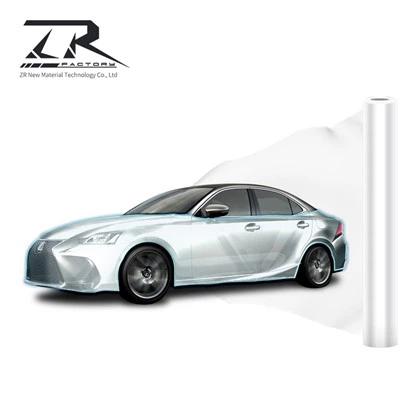
Architectural film is a thin, multi - layer polyester film that can be applied to glass surfaces. It comes in various types, each with unique properties and functions. Exterior Architecture Window Film is designed for outdoor applications, offering protection against harsh environmental elements such as UV rays, heat, and glare. On the other hand, Architecture Color Window Film provides aesthetic value by adding color and style to the glass while also having some functional benefits.
Suitability of Architectural Film for Skylights
Advantages
- Solar Control
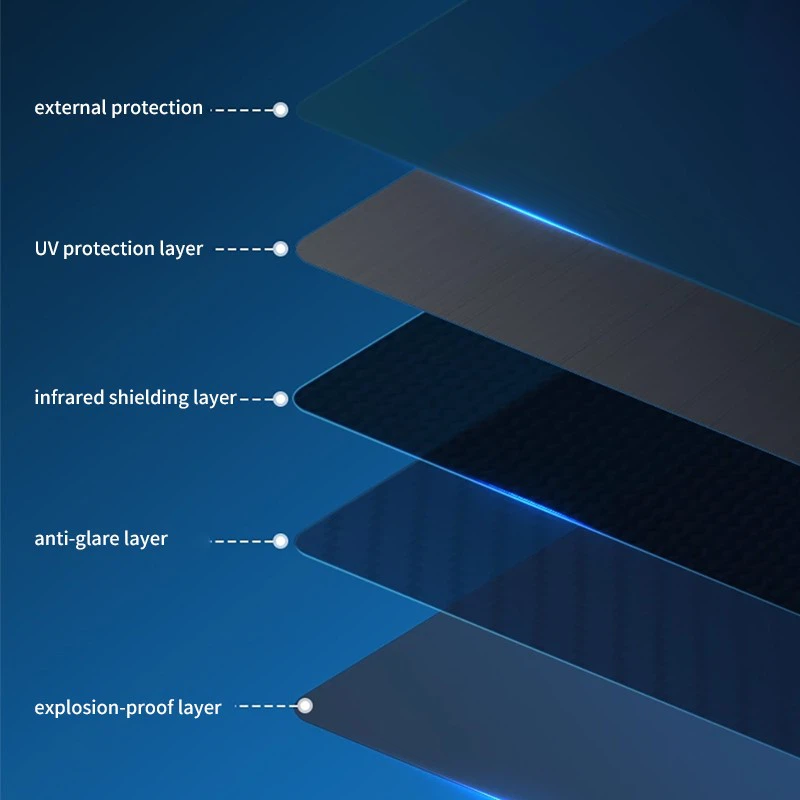
Skylights are a great source of natural light, but they can also let in excessive heat and UV rays. Architectural film can significantly reduce solar heat gain. The film acts as a barrier, reflecting a large portion of the sun's infrared rays. This helps in maintaining a comfortable indoor temperature, reducing the load on air - conditioning systems, and ultimately saving energy costs. For example, in a commercial building with large skylights, the use of solar - control architectural film can lead to a noticeable decrease in cooling expenses during the summer months. - UV Protection
UV rays can cause damage to interior furnishings, flooring, and artwork. They fade colors and deteriorate materials over time. Architectural film blocks up to 99% of UV rays, protecting the interior of the building from these harmful effects. This is particularly important for skylights, as they are directly exposed to sunlight for extended periods. - Glare Reduction
Glare from sunlight through skylights can be a major problem, especially in workspaces or areas where visual tasks are performed. Architectural film can diffuse the sunlight, reducing glare and creating a more comfortable and productive environment. This is beneficial for offices, classrooms, and retail spaces with skylights. - Safety and Security
Some architectural films are designed to hold the glass together in case of breakage. In the event of an impact, such as a hailstone hitting the skylight or a human - caused accident, the film acts as a safety net, preventing shards of glass from flying and causing injury. This is an important consideration for public buildings and areas with high foot traffic. - Aesthetic Enhancement
Architecture Color Window Film can add a unique and stylish look to skylights. It comes in a variety of colors and patterns, allowing architects and designers to create a customized appearance for the building. Whether it's a modern, minimalist look or a more decorative design, architectural film can help achieve the desired aesthetic.
Challenges
- Installation Complexity
Skylights are often located in hard - to - reach areas, such as on the roof. Installing architectural film on skylights requires specialized equipment and skilled technicians. The angle and orientation of the skylight can also pose challenges during installation. For example, a sloped skylight may require more precise handling to ensure a smooth and bubble - free application. - Durability in Harsh Conditions
Skylights are exposed to the elements, including extreme temperatures, rain, snow, and wind. The architectural film must be able to withstand these conditions over an extended period. Some low - quality films may delaminate, fade, or peel under harsh environmental stress. Therefore, it's crucial to choose a high - quality film that is specifically designed for exterior and skylight applications. - Maintenance Requirements
Maintaining the architectural film on skylights can be more difficult compared to regular windows. Cleaning the film requires special care to avoid scratching or damaging it. Additionally, any debris or dirt that accumulates on the skylight can potentially affect the performance and appearance of the film.
Factors to Consider When Using Architectural Film on Skylights
- Climate
The local climate plays a significant role in determining the suitability of architectural film for skylights. In regions with high solar radiation and hot summers, solar - control film is highly recommended. In areas with cold winters, a film that provides some insulation may be more appropriate. For example, in a desert climate, a film with high solar heat rejection properties will be beneficial, while in a temperate climate, a film that balances solar control and insulation may be the best choice. - Skylight Type
There are different types of skylights, such as fixed skylights, vented skylights, and tubular skylights. Each type has its own characteristics and requirements. Fixed skylights are relatively easier to install film on, while vented skylights may require special consideration to ensure that the film does not interfere with the opening and closing mechanism. Tubular skylights, which are smaller and have a different shape, may need a custom - cut film. - Building Usage
The intended use of the building also affects the choice of architectural film for skylights. In a residential building, the focus may be on comfort and aesthetic appeal. In a commercial building, energy efficiency and safety may be the top priorities. For example, in a museum, UV protection and glare reduction are crucial to protect the exhibits, while in a factory, solar control and durability are more important.
Case Studies
Let's take a look at a few real - world examples of using architectural film on skylights.
Case 1: A Commercial Office Building
A large commercial office building in a sunny city had a significant problem with heat gain through its skylights. The air - conditioning system was constantly overworked, leading to high energy costs. The building management decided to install Exterior Architecture Window Film on the skylights. After the installation, they noticed a 20% reduction in cooling costs. The employees also reported a more comfortable working environment with less glare.
Case 2: A Residential Home
A homeowner wanted to enhance the aesthetic appeal of their home's skylights while also protecting the interior from UV damage. They chose Architecture Color Window Film in a subtle bronze color. The film not only added a touch of style but also blocked UV rays, preventing the furniture from fading.
Conclusion
In conclusion, architectural film can indeed be used on skylights, and it offers numerous benefits in terms of solar control, UV protection, glare reduction, safety, and aesthetics. However, it's important to consider the challenges associated with installation, durability, and maintenance. By carefully evaluating the climate, skylight type, and building usage, and by choosing a high - quality film from a reliable supplier, the use of architectural film on skylights can be a practical and cost - effective solution.
If you're interested in exploring the use of architectural film for your skylights, I encourage you to reach out to us. We have a wide range of products to meet your specific needs, and our team of experts can provide professional advice and installation services. Contact us to start a discussion about how architectural film can enhance your building's skylights.

References
- "The Handbook of Window Film Technology" by John Doe
- "Solar Control and Glazing Systems for Buildings" by Jane Smith
- Industry reports from the Architectural Film Manufacturers Association